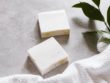
Soap makers can experiment with different ingredients to create custom products. Starting with a reliable soap base helps guide creators as they add complementary scents and other additives. Bulk Apothecary provides various ingredients to make self-care products, and we offer tips on successful soap making. Here is more information on mixing different soap making supplies:
Create a Soap Base
When looking for soap making supplies, determine which ingredients to use for the base. Different soap bases provide varied textures, appearances, and functions; these help influence other ingredients soap makers add. Some possible bases include:
- Goat Milk: This option has a light custard color, and it creates a creamy lather. The neutral hue makes it easy to customize the soap with other colors and additives. Goat milk may pair well with scents like honey, vanilla, and lavender.
- Shea Butter: Shea butter is an ideal option when soap makers use a melt-and-pour process. It may help promote moisturizing benefits for the skin. Some shea butter options have a neutral odor, which makes it simple to add fragrances.
- Glycerin: For a clear base, use glycerin. The transparent appearance allows makers to prominently display decorative additives, such as dried botanicals. Glycerin is typically easy to melt, so it is an ideal option for shaping soaps with molds.
- Aloe Vera: This soap base works well when creating nature-inspired bars. The light green color complements additives such as flowers and leaves. Use an aloe vera base when creating soaps for skin-soothing purposes.
Include Additives
Additives can change the texture of a soap bar. To create an exfoliating effect, include ingredients like oatmeal and poppy seeds. Oatmeal is ideal for a gentle scrub, and poppy seeds work well for a deeper exfoliation. For a bold spicy scent and physical texture, add cut black walnut hulls to the soap base.
Many ingredients help makers change the color of their soap; these include clays, pigment powders, and mica powders. Using kaolin or French green clays can create an earthy appearance. For bright and unique colors, use pigment powders. This additive is also ideal when makers need to maintain color consistency between batches. Mica powders sometimes create a shimmering look, so use this additive in clear soap bases to maximize that effect.
Experiment With Different Ingredients
When experimenting while making soap, test ingredients in small batches. This allows soap makers to adjust the amount of additives they use to create a stronger scent or bolder color. Keeping notes on successful formulas helps makers produce consistent products, which is beneficial if they are building a product line. Soap makers are able to change the scents and colors they add to their regular soap base; this allows them to create seasonal or holiday bars. They can add lavender essential oils for a spring theme, then exchange it for a fir needle scent when creating a winter product.
Use High-Quality Soap Making Supplies
Mixing soap making supplies allows creators to design custom products that align with their preferences or appeal to their customers. Pairing soap bases with different additives helps create an aesthetically pleasing bar, and makers can adjust the functional uses by using exfoliating or moisturizing ingredients. Explore the Bulk Apothecary website today to find the supplies needed to create personalized and unique soaps.