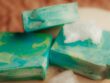
Soap making supplies require various materials, such as soap molds, colors, additives, and bases. The supplies you choose will directly determine the quality of your output. At Bulk Apothecary, we offer a wide range of options, from dried botanicals, bases, packaging, and more. Here’s what you need to begin soap making:
Soap Bases and Butters
The soap base is the foundation of any melt-and-pour project, and choosing the right one depends on the intended final product. Shea butter and cocoa butter bases are formulated to provide a richer, more conditioning feel in the finished bar. Goat milk bases are often used for their gentle, skin-conditioning properties. Castile-style bases use olive oil as a primary ingredient, while hemp oil, aloe vera, honey, and oatmeal bases each contribute different qualities to the final soap. Clear glycerin bases allow for vibrant, transparent colors, while white glycerin bases produce softer, more opaque results.
Cold process soap, unlike melt-and-pour, requires lye as a key ingredient to trigger saponification. Some specialty retailers and suppliers sell lye, along with soapmaking fats such as shea butter and cocoa butter. At Bulk Apothecary, we offer a variety of soap making supplies, melt-and-pour soap bases, and glycerin soaps, all available in bulk.
Fragrance Oils and Additives
Soap makers have the option to incorporate a wide range of additives to change the texture and appearance of the finished product. Dried botanicals, seeds, clays, activated charcoal, sea salt, and oatmeal offer unique options. Many of these additives serve a functional purpose. Additives like sea salt help contribute to a harder bar of soap when used in appropriate amounts.
Activated charcoal helps detoxify formulas, and oatmeal provides a mild exfoliating texture. Soap colorants, including color bars, pigment powders, and mica, allow soapmakers to control the appearance of each batch. At Bulk Apothecary, our team offers a wide range of fragrance oils and additives to support both cold and melt-and-pour processes.
Soap Molds and Materials
Mold selection determines the final shape, size, and overall presentation of the soap. Plastic molds and wood loaf molds, as well as silicone molds and cutters, offer solutions for different production needs. Silicone molds offer flexibility, which makes releasing finished bars straightforward and reduces breakage. Plastic molds produce uniform shapes, including squares, rectangles, and circles; they support higher-volume batches because they hold their shape consistently. Wood loaf molds are used when making larger quantities of soap that will later be cut into individual bars. Themed and decorative molds add surface detail to soap bars, which helps distinguish different products within a line through visual design. High-quality molds help prevent the base from sticking and reduce the risk of cracks and imperfections, producing consistent results across batches.
Get Quality Soap Making Supplies
Soapmaking supplies include bases, additives, colorants, and other materials needed to create finished bars. Choosing appropriate supplies provides a solid starting point for any scale of production, from small home batches to larger commercial operations. At Bulk Apothecary, we offer wholesale options for ordering supplies to create various soaps. Explore our website today or contact our team with any questions to get started.