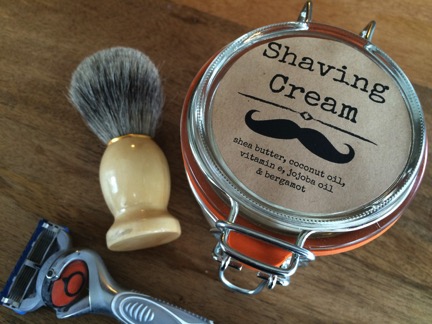
Apothecary products, such as candles, soaps, and lotions, require various ingredients to create an attractive and effective item. Ingredients are used for different purposes, and you can find what you need at Bulk Apothecary. Here are three types of ingredients to add to your apothecary products:
1. Butters and Waxes for Bases
Butters and waxes are often used as bases in apothecary products; this includes skincare and soapmaking applications. Some butters, such as mango butter, are solid at room temperature. The solid structure makes butters ideal for lip balms and soap bars. Waxes also provide a firm foundation for products, so they are often used for items like candles. When adding wax to lotions, use filtered waxes so that they are free of impurities. This helps make skincare products smooth.
Some butter and wax products provide a neutral base that allows you to control and customize the final color. Shea butters typically have impurities removed, and the result is an off-white tone that is ideal for the addition of various color additives. Cocoa butter may be pale yellow to light brown and can retain a mild chocolate scent. Waxes are also available in white or natural yellow colors. White waxes are filtered to remove pigmentation, yellow waxes are filtered to remove impurities, while the honeycomb hue is preserved.
A body butter base comes pre-thickened to facilitate quicker recipes. This may include sunflower oil already mixed with shea butter, which creates a mixture that is easy to work with and can be quickly formulated. Use this base as is, or add your own additives to create a unique blend.
2. Essential Oils for Scent
Essential oils add scent and function to products, and you can customize them based on your preferences. Look for unique essential oils such as:
- Clove Bud: This scent comes from the long buds of specific evergreen trees.
- Ylang Ylang: Derived from a tree with flowers that are pink, yellow, or mauve, this oil creates a floral fragrance.
- Palo Santo: This oil comes from the interior of a tree trunk and produces a woody smell.
- Tagetes: Oils from the flowers of this plant emit a fruity scent.
You can also use fragrance oils to blend familiar scent profiles, such as lavender, rosemary, and vanilla. Add fragrance oils to candles so that the scent dispenses when the wax burns. This type of oil is also ideal for creating aromas in soaps and shampoos. Some fragrance oils have been tested in various apothecary items, so you can find the ideal one to use for your products.
3. Natural Additives for Appearance
Natural additives allow you to create a unique appearance in items like soaps and bath bombs. Arrange rose petals, cinnamon stick pieces, or a potpourri blend as you make the product; this helps enhance visual appeal. You can align the colors of flower petals with your brand image to help clients recognize the products as yours.
Use natural colorants, so you are able to avoid adding artificial additives. Mica powders provide a shimmering appearance and are ideal for bright color schemes. Add powders for a natural look. Some powders include spirulina, which creates a dark green look, and clove, which results in a natural brown tone.
Find Quality Apothecary Products
Apothecary ingredients provide various opportunities to create custom items. You can purchase items in small or bulk quantities; this is ideal for both beginner crafters and established business owners. Testing the ingredients in small batches allows you to find your preferred scent, color, and appearance. This also means you are able to create consistent batches. Look for ingredients at Bulk Apothecary to formulate new and unique products.